Membership
Welcome to the Piddle Valley Gardens Club. We have over 60 members and an active schedule of events throughout the year, including talks, social events, workshops and visits. We have a small annual subscription of £12 which goes towards our costs. Contact Sally Condon if you’d like to join.
We also belong to:
- The Gold Club at the Gardens Group (Poundbury and Sherborne garden centres), and
- The Dorset Federation of Horticultural Societies.
- The RHS
Meetings
Our monthly meetings are held in Piddletrenthide Memorial Hall at 7.15 for a 7.30pm start – see What’s On page for upcoming dates and topics. Non-members are welcome to attend talks at £2.
2026 meetings and talks
- Mon Jan 26 – AGM
- Mon Feb 23 – Planting for Bees – a talk by local beekeeping expert, Lesley Gasson
- Mon Mar 16 – Discount shopping evening at Castle Gardens, Sherborne
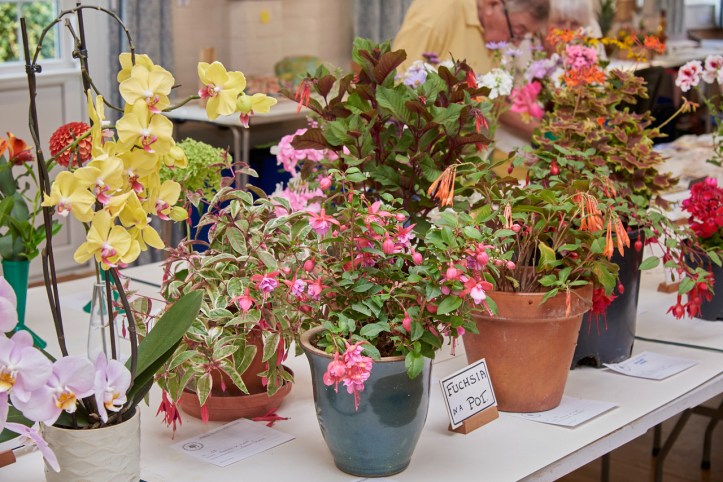
- Sat Mar 28 – SPRING SHOW
- Mon Mar 30 – How well do you know your hedgehogs? A talk by Jeanette Hampstead, who runs a local hedgehog rescue
- Mon Apr 27 – Lindsay and Steve Lister from the Blooming Wild Plant Nursery give a talk on how to blend wildflowers into your outdoor space
- Mon May 18 – Dr Francis Burroughes will give a talk about ‘How to catch the eye of the judge’…good tips for the Summer Show!
- Sun June 28 (TBC) – Summer group outing to Carey’s Secret Garden (TBC)
- Sun July 26 – Summer Lunch social, held in a members garden
- Sat Aug 15 – SUMMER SHOW
- Mon Sep 28 – David Boag, a renowned photographer, will give a presentation on nature’s garden
- Sat Oct 3 – Our Harvest Supper Social, with after dinner speaker
- Mon Oct 26 – Castle Gardens will give us a talk bout creating hedges and barriers
- Mon Nov 30 – A talk by the Commonwealth War Graves Commission ‘Gardening the Globe’, and how their plots and graves are enhance by their horticulture.
- Mon 14 Dec – Our Christmas social evening
- Mon 25 Jan – 2027 AGM
Club Officers
- President – John Preston
- Chair – Ann Jordan
- Secretary – Helen Kemm
- Treasurer – Sally Condon
- Show Secretary – Ian Condon (ending 2026)
- General Committee Members: Hilary Latimer, Richard Cake, June Dobbs
A year in the garden – planting for bees
Jasmine Pettals reports: It feels as if Spring is nearly sprung and gardeners are gearing up to delight in our outdoor space. The meeting on February 23 was timely in looking at A year in the Garden for Bees and
Flowers, and bee expert Leslie Gasson had 35 years of experience to share. Here is a note of some of the knowledge that Leslie helpfully imparted to a well attended meeting.
Even in the early months of the year bees are seeking out snowdrops and crocus for protein, these flowers are without nectar. There is little going on in the hive, bees are living on their winter stores, they are not hibernating as they have to work to keep the temperature of the hive at 20-27C, so no bees sleep.
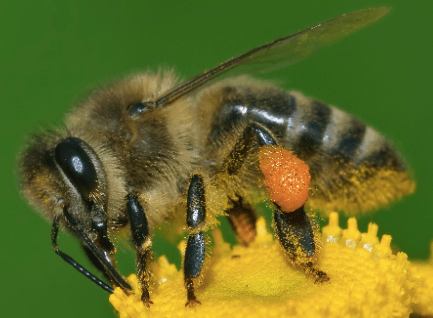
In March things start to get busy for bees with early blossom on trees providing pollen for young bees and this helps the brood nest to expand. Blossom includes pussy willow, almond trees and some wood anemone. The seasons are changing and many plants respond to global warming by emerging earlier. The weather also affects the bees. Early forage means an early build-up of bees that may swarm earlier. Sudden cold will though set them back because they cannot go out to forage and must remain to keep the brood warm.
The days lengthen in April as Spring is underway. Dandelions in lawns and oilseed rape in fields are great sources of food. Dandelions are oily and produce wax, whilst oilseed rape is a major honey crop. Top fruit and soft fruit come into flower in the spring and some beekeepers make more money from fruit pollination rather than honey sales. May is the swarming season and flowers are plentiful and call loudly to bees. Swarms go out when the weather is settled and there is plenty of food available. The bees need sugar to build comb and a swarm can also have many wax builders.
June sees our gardens in full flower, including herbs and wild flowers which are all attractive to bees. The month also provides raspberries, lime trees and acacia in flower. Lime honey is light and clear and much prized. Come July the year is turning with days starting to shorten. Beekeepers harvest honey at the end of the month. The bees’ year is slowly ending and the queen starts to lay winter worker bees. The last crops likely to fruit before the winter are blackberries, white clover and sweet chestnut and bees share these flowers with other pollinators.
During August the heather, mint, sunflowers, Himalayan balsam and sedum help bees.Stores left in the hive are available for the bees over winter. Beekeepers use this month together with September to make sure their colonies have sufficient food to see them through the winter. They also deal with diseased or failing colonies. During September the worker bees start to eject the drones and ensure there aren’t too many mouths to feed during the winter. There are still a few late flowers – dahlias, golden rod, Michaelmas daisies and ivy. This is an important month to ensure the bees last until next spring.
By October the days are shorter and there is very little real forage for the bees. They come out of the hive and find pollen if they still have larvae in the brood nest but mostly they stay in the hive to keep the temperature up in the centre of the nest. Almost all of the drones have gone. During the dark days of December both bees and beekeepers stay indoors. Bees take cleansing flights when the temperature is above 10C. Beekeepers will be tending hives, frames and equipment in readiness for spring.
The harvest from hives comprises honey, beeswax, mead, propolis and pollen. Bees are very generous indeed. We have quite a number of beekeepers in the valley and some make produce available, often at village fetes or at their front doors. Its lovely to be able to share in their harvests.
 Piddle Valley News and Views